


Crypto Cards Pros and Cons: What Users Should Know Before Applying
2026-10-26
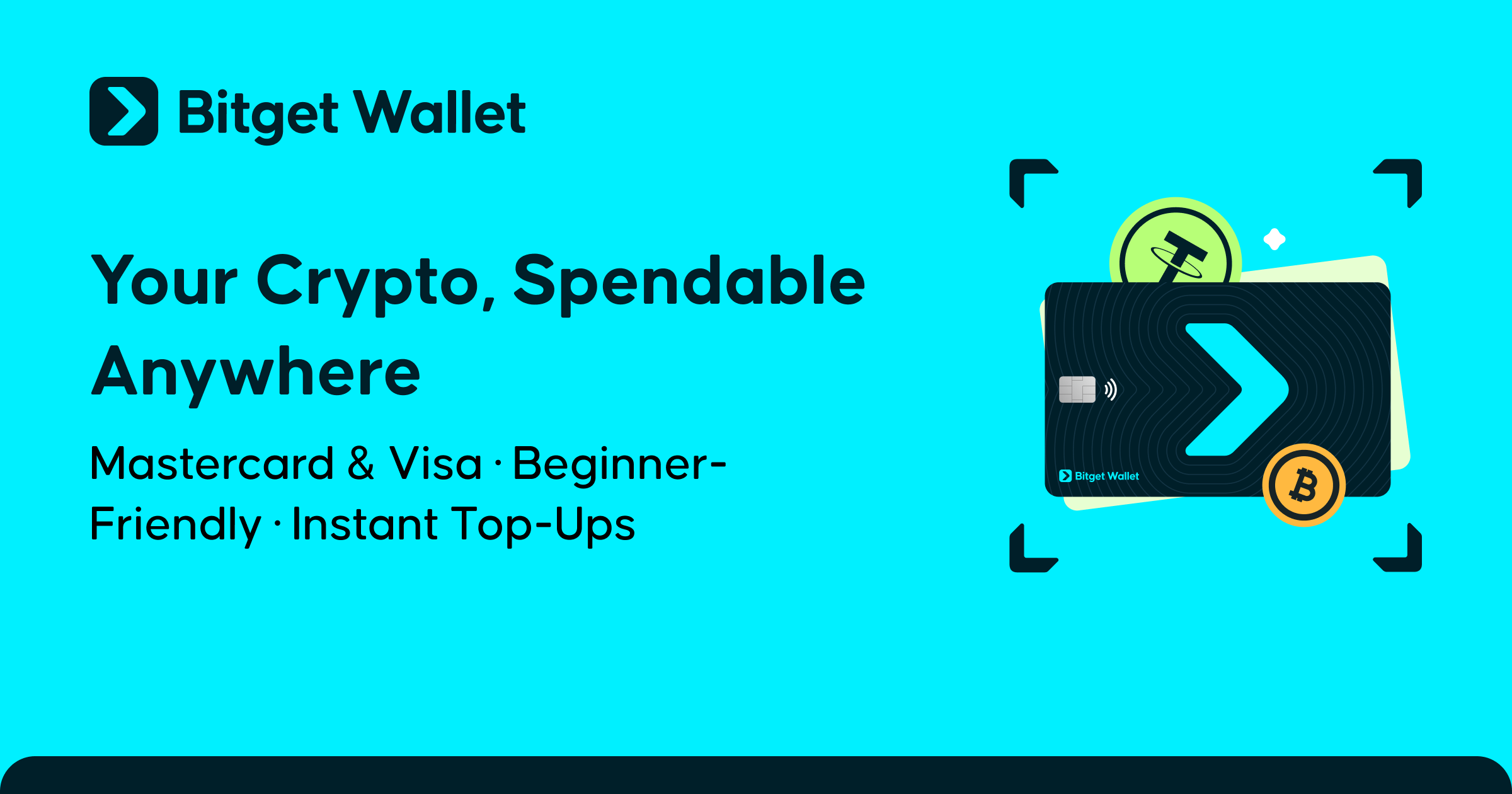
Crypto Debit Card Pros and Cons: Is It Worth It?
A crypto debit card is worth it if you already hold crypto, want to spend it in everyday life, and are comfortable managing your own wallet. It is probably not the right fit if you want to borrow money, need a guaranteed fee-free experience, or prefer not to deal with tax record-keeping.
This guide covers how a crypto debit card works, the real pros and cons, what it costs, and who it suits. It also compares it briefly with crypto credit cards and explains how to set up the Bitget Wallet Card.
Looking to buy crypto with a bank card instead? See
How to Buy Crypto with a Card.
Key Takeaways
-
What it is: A crypto debit card spends crypto you already own. There is no credit line, no interest, and no debt.
-
Biggest pros: You can spend crypto at regular shops, keep control of your own wallet, and set up a virtual card in minutes.
-
Biggest cons: Spending crypto can be a taxable event in many countries, fees reduce your rewards, and prices can move before you pay.
-
Cost: The Bitget Wallet Card has no top-up fee and no annual fee. It charges a flat 1.7% transaction fee.
-
Best for: People who already hold crypto, get paid in stablecoins, or travel often.
How Does a Crypto Debit Card Work?
A crypto debit card works like a normal debit card at the checkout. The difference is what sits behind it. Instead of a bank balance, the card draws on a crypto balance, usually stablecoins such as USDT or USDC.
When you pay, the crypto is converted into local currency at that moment. The shop receives regular money through the Visa or Mastercard network and never needs to accept crypto itself.
With the Bitget Wallet Card, the flow looks like this:
-
You hold stablecoins in your Bitget Wallet.
-
You pay with a virtual card, either online or by tap-to-pay through Apple Pay or Google Pay.
-
The amount is converted to local currency and the purchase goes through.
Related reading:
What Is a Crypto Debit Card and How Does It Work?
What Are the Pros of a Crypto Debit Card?
-
No debt. You only spend what you own. There is no interest, no monthly bill, and no credit check.
-
Use crypto in everyday life. You can pay at any place that accepts Visa or Mastercard, without finding a merchant that takes crypto.
-
You keep control of your wallet. With a self-custodial card, your funds stay in a wallet you control instead of on an exchange.
-
Fast setup. A virtual card can be created in the app and added to Apple Pay or Google Pay within minutes.
-
Possible rewards. The Bitget Wallet Card offers up to 3% back in assets such as USDC, Bitcoin, or tokenized gold.
-
Useful when travelling. Paying by card can avoid wiring money or exchanging cash before a trip. Exchange rates and fees still apply, so compare the total cost.
What Are the Cons and Things to Watch Out For?
These are the points most people overlook before applying.
Taxes. In many countries, spending crypto counts as selling it, which can create a capital gains tax event. Keep a record of your transactions. Rules differ by country, so check your local guidance or ask a tax professional.
Fees. A flat 1.7% fee on each purchase adds up. See the cost example below.
Price swings. If you pay with Bitcoin or Ethereum, a price drop before you spend reduces what you can buy. Funding the card with stablecoins keeps your spending balance steady.
Identity verification (KYC). Card providers must confirm who you are. Expect to verify with a valid passport or national ID.
Regional availability. Card services depend on local laws. Supported countries include the UK, Germany, France, Brazil, the Philippines, Malaysia, and Mexico. Sanctioned regions are excluded.
Spending limits. Cards usually have daily, monthly, or per-transaction limits. Check the Bitget Wallet Help Center for current numbers.
You are responsible for your wallet. With a self-custodial wallet, no company can reset your access for you. If you lose your recovery phrase, you can lose access to your funds. Store it offline and never share it.
No borrowing. A debit card only spends your existing balance. If you need credit, it will not help.
How Much Does It Really Cost?
The Bitget Wallet Card has no top-up fee, no monthly fee, and no annual fee. It charges a flat 1.7% fee on purchases.
Here is a simple example. Say you spend $100 and the fee is 1.7%.
-
Fee: $1.70
-
If you earn the maximum 3% back: reward of $3.00, so you come out about $1.30 ahead
-
If your reward rate is lower than 1.7%: you pay more in fees than you earn back
The reward you actually receive depends on the reward terms.
When comparing cards, also look at:
-
Top-up or loading fees: Some providers charge each time you add funds.
-
Monthly or annual fees: These add up even if you rarely use the card.
-
Conversion spreads: The gap between the market price and the rate you get can be a hidden cost.
-
Foreign transaction fees: Check these if you spend abroad.
Crypto Debit Card vs. Crypto Credit Card
The two cards look similar in a wallet app but work very differently.
| Crypto debit card | Crypto credit card | |
| Where the money comes from | Your existing crypto balance | A credit line, often backed by your crypto as collateral |
| Debt and interest | None | Yes, repayments and interest apply |
| Credit check | Not usually required | Usually required |
| Main risk | Price swings and tax on spending | Your collateral can be sold if prices fall sharply (liquidation) |
| Best for | Everyday spending of what you own | Borrowing without selling your crypto |
Crypto credit cards can let you spend without selling your holdings, which may help with long-term price growth. The trade-off is liquidation risk and borrowing costs. Bitget Wallet offers a debit card, so this guide focuses on debit.
Custodial Cards vs. Self-Custodial Cards
The biggest difference between crypto cards is who holds your funds before you spend them.
| Custodial exchange card | Self-custodial wallet card (for example, Bitget Wallet Card) | |
| Who holds your funds | The exchange holds your funds and keys | Your funds stay in a wallet you control |
| If the platform has problems | Spending can be paused if the exchange has downtime, regulatory issues, or financial trouble | Your wallet assets are not held by an exchange. The card itself is still subject to the issuer's rules |
| Fees | Varies by provider. Some charge loading fees, custody fees, or conversion spreads | Flat 1.7% transaction fee, no loading fee, no monthly fee |
| If you lose access | You can usually recover your account through the exchange | You are responsible for your recovery phrase. Losing it can mean losing your funds |
Neither option is better for everyone. Custodial cards give you an account-recovery safety net. Self-custodial cards give you more direct control.
Who Is a Crypto Debit Card Best For?
It suits you if you:
-
Already hold crypto or stablecoins and want to use some of them day to day
-
Get paid in stablecoins and want to spend without cashing out through a seller or a bank
-
Travel or live abroad and want a simple way to pay in local currency
-
Prefer to manage your own wallet
It may not suit you if you:
-
Want to borrow money or build a credit history
-
Do not want to track transactions for tax
-
Are not comfortable keeping a recovery phrase safe
-
Live in a country where the card is not supported
How Do You Apply for a Bitget Wallet Card?
Setup takes a few minutes on your phone.
-
Verify your identity. Open the Bitget Wallet app, go to the Card tab, and verify with your passport or national ID. Card providers require this to meet financial regulations.
-
Add funds. Transfer USDT or USDC to your wallet balance. Choose a low-fee network to keep transfer costs down.
-
Activate and pay. Activate your virtual card in the app, then add it to Apple Pay or Google Pay to start paying.
Ready to get started? Open the Card tab in the Bitget Wallet app to apply.
Frequently Asked Questions
Is a crypto debit card worth it?
It can be if you already hold crypto and want to spend it in daily life. Compare the 1.7% fee with the rewards you expect to earn, and remember that spending crypto may be taxable in your country.
Is the Bitget Wallet Card a debit card or a credit card?
It is a crypto debit card. It spends from your existing crypto or stablecoin balance, so there are no interest charges, no credit lines, and no credit checks.
What are the spending limits?
Cards usually have daily, monthly, or per-transaction limits. Current limits are listed in the
Bitget Wallet Help Center.
Is it safe to shop online with a crypto card?
Payments run over the Visa and Mastercard networks, the same as regular cards. As with any card, use trusted sites and keep your account secure.
Which crypto card is best, debit or credit?
Debit is simpler for everyday spending because there is no debt. Credit may suit people who want to borrow against their crypto and accept liquidation risk.
Risk Disclosure: Cryptocurrency markets involve high risk. Do your own research, protect your private keys, and spend responsibly. This article is for general information and is not financial or tax advice.
คอนเทนต์
แนะนำ
 How to Apply for a Crypto Mastercard2026-01-05 | 5 mins
 How to Apply for a Crypto Visa Card and Start Spending Crypto Worldwide2026-01-02 | 5 mins
- How to Top Up Your Crypto Debit Card with USDT2025-12-29 | 5mins



