


Top Thailand Payments in 2026: 5 Best Payment Methods for QR Code, E-Wallets, and Bank Transfers

Top Thailand Payments in 2026 reflect a unique hybrid system where traditional cash usage coexists with rapidly expanding digital infrastructure. Thailand has become one of Southeast Asia’s most advanced payment ecosystems, largely driven by the government-backed PromptPay QR system, which enables real-time, low-cost transactions across the country.
Whether you are a local resident, tourist, or business operator, understanding how payments work in Thailand is essential. This guide breaks down the 5 most widely used and verified payment methods, helping you navigate Thailand’s evolving financial landscape efficiently and securely.
If you’re navigating Top Thailand Payments in 2026, Bitget Wallet can complement QR and digital payments by offering a flexible way to manage funds and handle cross-border transactions alongside local methods like PromptPay.
Key Takeaways
- PromptPay is the core driver behind QR payment Thailand adoption, enabling fast and low-cost real-time transactions
- Cash remains the most widely used payment method, especially in rural areas and local markets
- E-wallets like TrueMoney Wallet and Rabbit LINE Pay dominate urban digital payments
- Debit and credit cards are commonly accepted in malls, hotels, and tourist zones
- Thailand is transitioning toward a cashless economy, but cash still plays a critical role in daily transactions
What Are the Top Thailand Payments in 2026?
Top Thailand Payments in 2026 consist of a blend of traditional cash-based transactions and advanced digital payment systems. This hybrid model is supported by strong government infrastructure, particularly PromptPay, which enables seamless real-time payments across banking and mobile platforms.
Based on real-world usage patterns and financial reports, Thailand’s payment ecosystem prioritizes accessibility, speed, and low transaction costs—making it one of the most efficient in the region.
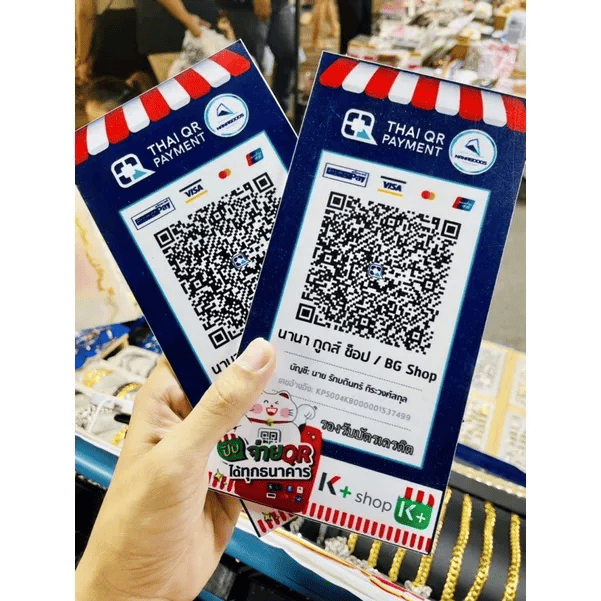
1. QR Code Payments (PromptPay)
QR code payments are at the core of Thailand’s digital economy. PromptPay, a government-backed system, allows users to send and receive money instantly using just a phone number or national ID.
It powers real-time payments Thailand-wide and is widely accepted by street vendors, small businesses, and major retailers. QR payments have become embedded in daily life, making cashless transactions simple and fast.
Source: Expat-wallet
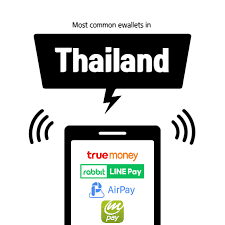
2. E-Wallets (TrueMoney, Rabbit LINE Pay)
E-wallets play a major role in Thailand’s urban payment landscape. Platforms like TrueMoney Wallet and Rabbit LINE Pay are integrated into everyday services such as retail shopping, bill payments, and public transportation.
These wallets are closely linked with QR systems and mobile apps, making them highly convenient for users who prefer app-based transactions.
Source:Blogeromnet
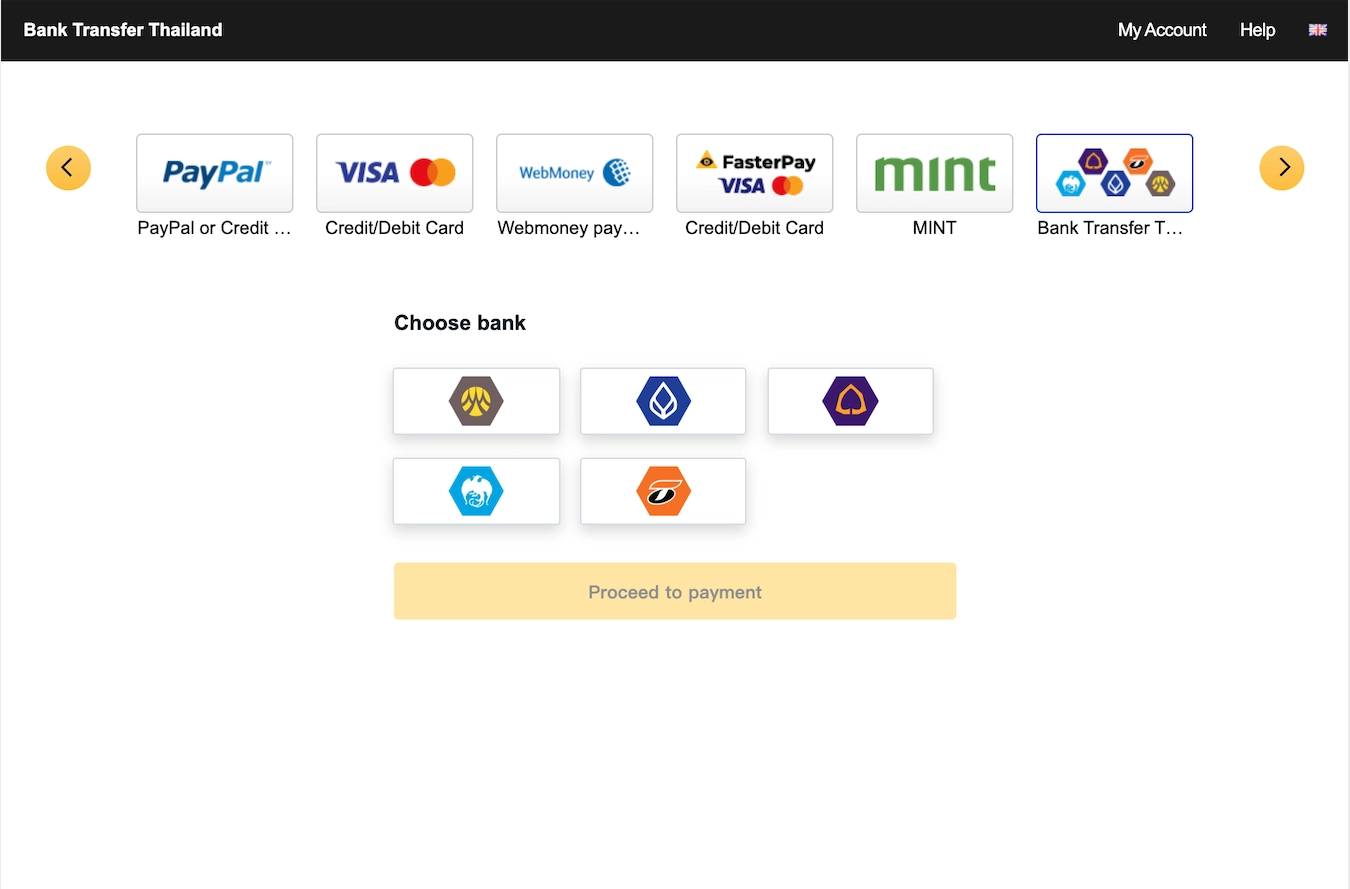
3. Bank Transfers (PromptPay / Local Banking)
Bank transfers remain a fundamental component of Thailand’s payment ecosystem. PromptPay enables instant transfers between accounts, while traditional bank transfers are still used for larger or scheduled payments.
This system forms the backbone of real-time payments Thailand, supporting both personal transactions and business operations.
Source: Paymentwall
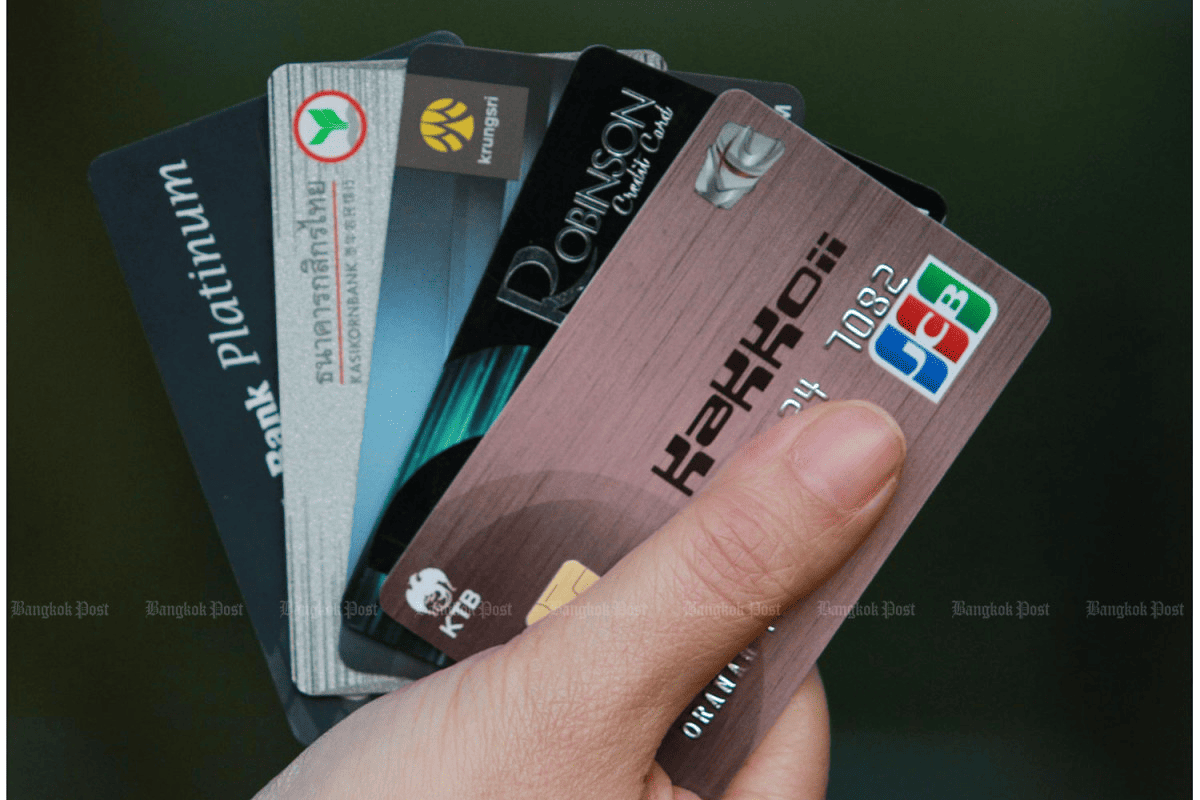
4. Bank Cards (Debit & Credit Cards)
Debit and credit cards are widely accepted in malls, hotels, restaurants, and tourist areas. They are particularly useful for international travelers who rely on global payment networks.
However, card acceptance is less consistent in smaller shops or rural areas, where digital wallets and cash are often preferred.
Source: Bangkokpost
5. Cash (Thai Baht – Still Dominant)
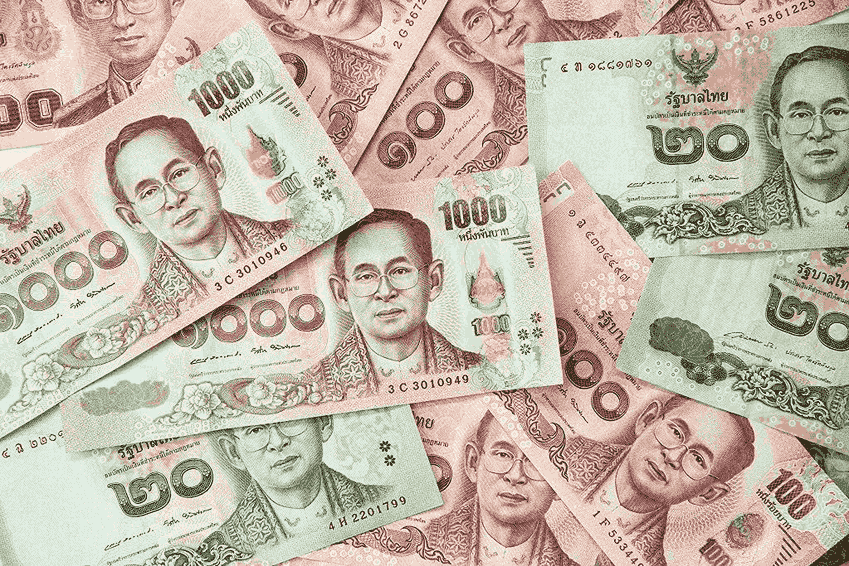
Despite rapid digital growth, cash remains the most widely used payment method in Thailand. It is essential for street food vendors, local markets, taxis, and smaller establishments.
Cash continues to represent a significant portion of daily transactions, especially outside major cities.
Source: Corporatefinanceinstitute
How to Choose the Right Thailand Payment Method for Your Needs
Top Thailand Payments in 2026 depend on your usage context—whether you’re making daily purchases, traveling, or transferring funds. The most effective approach is to match payment methods with specific scenarios to maximize convenience, cost efficiency, and accessibility.
Which payment methods should you consider before choosing one in Thailand?
| Use Case | Recommended Payment Method | Why It Works |
| Daily spending | Cash + QR (PromptPay) | Widely accepted across all environments, including small vendors |
| Urban lifestyle | E-wallets (TrueMoney, LINE Pay) | Seamless integration with retail, bills, and transport |
| Travel & tourism | Cards + Cash | Global acceptance + fallback for local-only merchants |
| Money transfers | PromptPay / Bank Transfer | Instant, low-cost, and reliable for P2P and business use |
What factors should you compare when choosing a payment method?
| Factor | What to Consider | Impact on Your Choice |
| Acceptance | Urban vs rural coverage | Determines where you can actually use the method |
| Speed | Instant (QR/PromptPay) vs delayed (traditional transfers) | Affects transaction efficiency |
| Fees | ATM withdrawals, FX rates, transfer costs | Impacts overall cost of usage |
| Accessibility | Availability for foreigners or non-residents | Limits usability for tourists |
| Security | 2FA, biometrics, app verification | Reduces risk of fraud and errors |
This structured approach ensures you’re not relying on a single payment method, but instead using the most efficient combination based on real-world conditions in Thailand.
How Do QR Code Payments Work in Thailand?
QR code payments in Thailand are powered by PromptPay, the country’s unified real-time payment infrastructure. Users scan a merchant’s QR code through a banking or e-wallet app, verify the payment details, and confirm the transaction instantly—no cash or card terminal required.
This system enables fast, low-cost, and highly accessible payments, making QR transactions one of the most widely adopted payment methods across Thailand.
Read more: How to Use QR Payment Thailand with Bitget Wallet?
Is QR payment Thailand safe for beginners and tourists?
QR payment Thailand is generally secure when using official banking or licensed e-wallet apps. Most platforms include OTP, biometrics, and real-time confirmations to protect users.
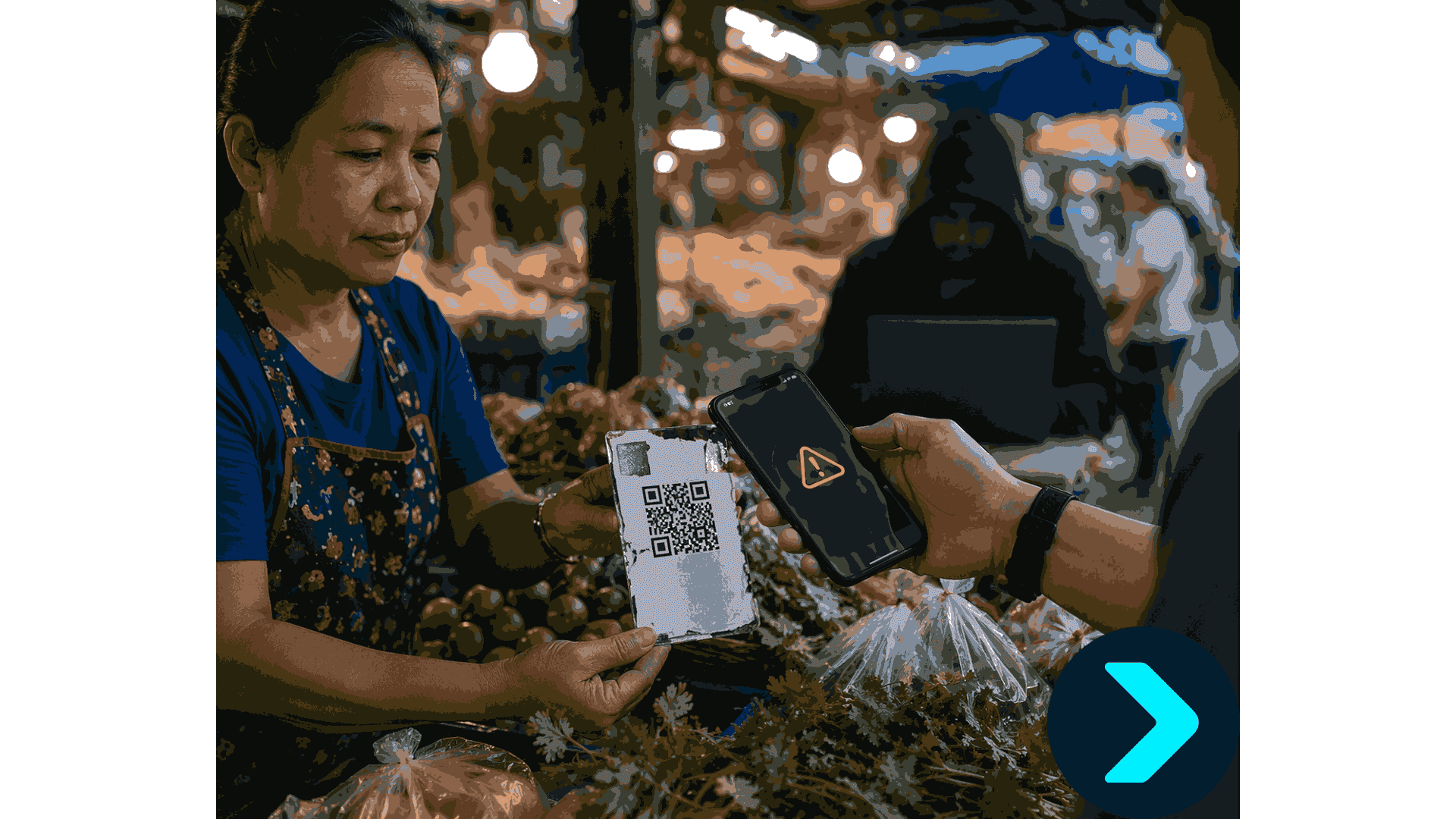
However, tourists may face access limitations without a local bank account. Users should also remain cautious of phishing scams, fake QR codes, or altered payment stickers, especially in high-traffic areas.
What is PromptPay and how does it work?
PromptPay is Thailand’s government-backed real-time payment system that connects bank accounts to a phone number or national ID. Instead of entering full account details, users can send or receive funds instantly using these identifiers.
It also serves as the backbone of QR payment Thailand, enabling seamless transactions between individuals and businesses nationwide.
When is QR payment the best option for daily transactions?
QR payments are most effective in scenarios where speed, convenience, and low fees are priorities:
- Everyday retail purchases in shops, cafes, and convenience stores
- Street vendors and small merchants increasingly adopting QR systems
- Peer-to-peer transfers between individuals
- Cashless environments such as malls, restaurants, and transport hubs
For most users in Thailand, QR payments provide the fastest and most practical alternative to cash, especially in urban and semi-urban areas.
What Risks Should You Know Before Using Digital Thailand Payments?
As digital payments Thailand adoption accelerates, users benefit from speed and convenience—but also face new categories of financial risk. Understanding these risks is essential for secure day-to-day transactions.
1. Scams in Thailand digital payments
The most common threats involve phishing links, fake banking or e-wallet apps, and social engineering tactics. Attackers often impersonate trusted platforms to trick users into revealing login credentials or approving unauthorized transactions.
👉 To reduce risk, always:
- Access apps only through official websites or app stores
- Avoid clicking links from unknown messages or emails
- Never share OTP codes or passwords—even with “support agents”
2. Fraud when using QR codes and e-wallets
QR payment fraud typically involves tampered or fake QR codes placed over legitimate ones. These redirect funds to a different account without the user noticing. Always double-check the recipient name and payment details before confirming any transaction.
👉 To stay safe:
- Prefer merchant-generated QR codes inside official apps
- Avoid scanning QR codes from unverified posters or public surfaces
- Confirm the recipient name matches the merchant before paying
3. Mistakes when using bank transfers and digital wallets
Most digital transactions in Thailand are irreversible once confirmed. Entering the wrong phone number, ID, or account can result in permanent loss of funds, with limited recovery options.
👉 To prevent costly errors:
- Double-check all details before confirming payment
- Start with a small test transaction when sending to a new recipient
- Save trusted recipients to avoid repeated manual input mistakes
Security features you should look for in payment apps
| Security Feature | Why It Matters |
| OTP / 2FA authentication | Adds a second layer of protection against unauthorized access |
| Biometric login (Face ID / Fingerprint) | Prevents account access if your device is lost or stolen |
| Verified app sources | Reduces risk of downloading fake or malicious apps |
| Real-time transaction alerts | Enables immediate detection of suspicious activity |
Using trusted apps with strong security controls significantly reduces exposure to fraud, making digital payments in Thailand safer and more reliable.
Bitget Wallet – Expanding Top Thailand Payments in 2026
Top Thailand Payments in 2026 are no longer limited to cash, cards, and local banking systems. Tools like Bitget Wallet are emerging as complementary solutions, bridging traditional payments with on-chain finance. With Secure Stablecoin Storage + Hot Memecoin Trading + Seamless Cross-chain Experience, it enables users to manage digital assets while accessing global payment flexibility from a single interface.
As cross-border transactions grow in importance—especially for travelers and digital-native users—crypto wallets are increasingly explored as an alternative layer alongside systems like PromptPay. They do not replace local payment rails but extend functionality for international transfers, asset storage, and decentralized access.
How Can You Use Bitget Wallet to Access QR-Based Payments Securely?
| Step | Action | Why It Matters |
| Fund your wallet | Add USDT, USDC, or other supported assets | Provides liquidity for transactions and cross-border payments |
| Ensure gas fees | Hold enough native tokens for network fees | Prevents failed or delayed transactions |
| Scan QR code | Use the wallet’s scan feature where supported | Enables interaction with QR-based payment systems |
| Verify details | Double-check recipient address and amount | Reduces risk of fraud or incorrect transfers |
| Confirm transaction | Approve the payment in-wallet | Maintains full control through self-custody execution |
This structured flow ensures users can safely combine QR-based payment environments with on-chain transactions while minimizing risk.
Conclusion
Top Thailand Payments in 2026 demonstrate a well-balanced financial ecosystem where cash and digital solutions coexist. While cash remains essential, especially in local environments, systems like PromptPay have accelerated the adoption of real-time and QR-based payments across the country.
As Thailand continues transitioning toward a more digital economy, understanding how each payment method works allows users to navigate transactions more efficiently. Whether using cash, cards, or advanced tools like QR and crypto wallets, the key is choosing the right method for each situation.
Upgrade how you pay in Thailand—use Bitget Wallet to complement QR payments and manage your funds seamlessly across borders.
FAQs
1. What are the Top Thailand Payments in 2026 for everyday use?
The Top Thailand Payments in 2026 include cash, PromptPay QR payments, e-wallets (TrueMoney, LINE Pay), bank transfers, and debit or credit cards used across different scenarios.
2. What is the most common payment method in Thailand?
Cash remains the most widely used payment method, especially in street markets, small shops, and rural areas where digital acceptance is limited.
3. Can tourists use QR payments in Thailand?
Tourists can use QR payment Thailand systems in some cases, but access is often restricted without a local bank account or supported wallet integration.
4. Is Thailand a cashless country in 2026?
Thailand is not fully cashless in 2026. It operates as a hybrid payment ecosystem where digital payments are growing, but cash is still essential for daily transactions.
5. How to pay in Thailand 2026 as a foreign user?
Foreign users typically rely on a combination of cash, international debit or credit cards, and selective use of QR or digital wallets depending on accessibility and support.
Risk Disclosure
Please be aware that cryptocurrency trading involves high market risk. Bitget Wallet is not responsible for any trading losses incurred. Always perform your own research and trade responsibly.


 How to Use QR Payment Thailand with Bitget Wallet?2026-04-13 | 5 mins



