


Backpack Listing Launch Date: What is the Points-Based Airdrop System?
Backpack (BACKPACK) listing is generating serious buzz across the crypto space, and people are already calling it the next big thing. It’s one of those moments that feels familiar—like back when Avalanche (AVAX) was just getting started. We saw it happen: early believers jumped in when AVAX was sitting at just a few dollars, and as the ecosystem exploded, those same people watched their positions climb well into triple digits during the bull run. We’re talking 20x, 30x, sometimes even more. Now it looks like we might have another one of those moments on our hands with Backpack (BACKPACK).
With exchange listings right around the corner, this token—tied directly to the Backpack Wallet and Backpack Exchange—is already pulling in serious attention from traders who are always on the lookout for the next asymmetric play. The setup is intriguing: unique tokenomics, a product people are actually using, and a community that’s growing by the day. Naturally, the question on everyone’s mind is whether this thing can follow a similar high-growth arc. Could Backpack be one of those stories people look back on and wish they’d caught early? In this piece, we’re getting into exactly what sets Backpack apart, how to get in on the action, and why so many people are watching this launch like a hawk.
Backpack (BACKPACK) Listing: Key Dates, Airdrops & Participation Guide
1. Key Listing Information
Here are the important details about the Backpack (BACKPACK) listing:
- Exchange: To be announced
- Trading Pair: BACKPACK/USDT
- Deposit Available: March 23, 2026
- Trading Start: March 23, 2026
- Withdrawal Available: March 24, 2026
Don’t miss your chance to start trading Backpack (BACKPACK) on exchanges and be part of this groundbreaking journey.
- Please refer to the official announcement for the most accurate schedule.
2. How to Participate in the Backpack (BACKPACK) Airdrop?
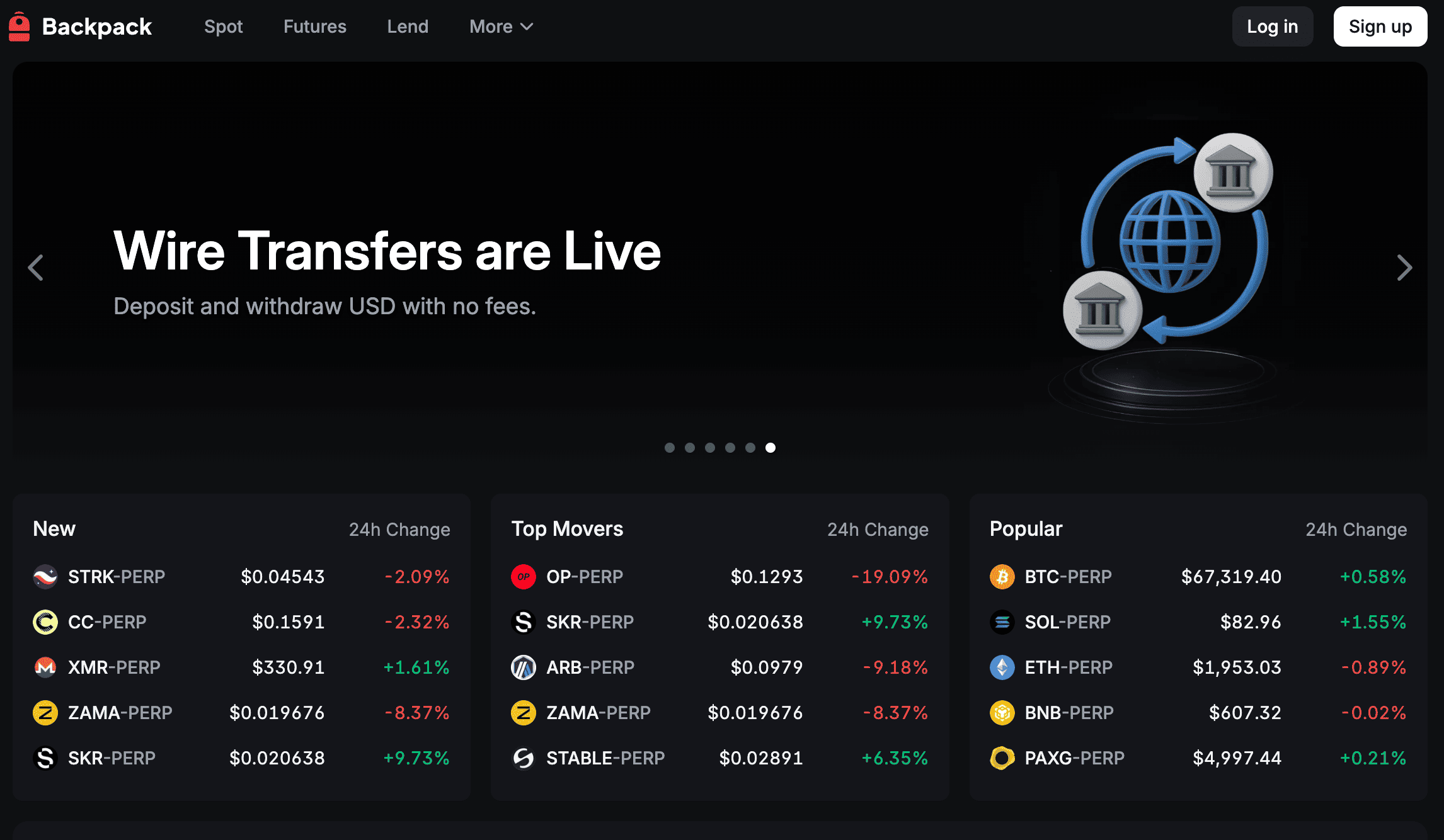
Step 1: Visit the Airdrop Page
First things first, you need to go to the official Backpack airdrop page, which you’ll find at backpack.exchange.
Once you're there, take some time to actually read the rules. The team usually lays out exactly what they’re looking for—whether that’s keeping some trading volume up on the exchange or getting involved with their community events.
Knowing what’s required from the start means you can plan your moves and not miss out.
Step 2: Earn Points Through Engagement
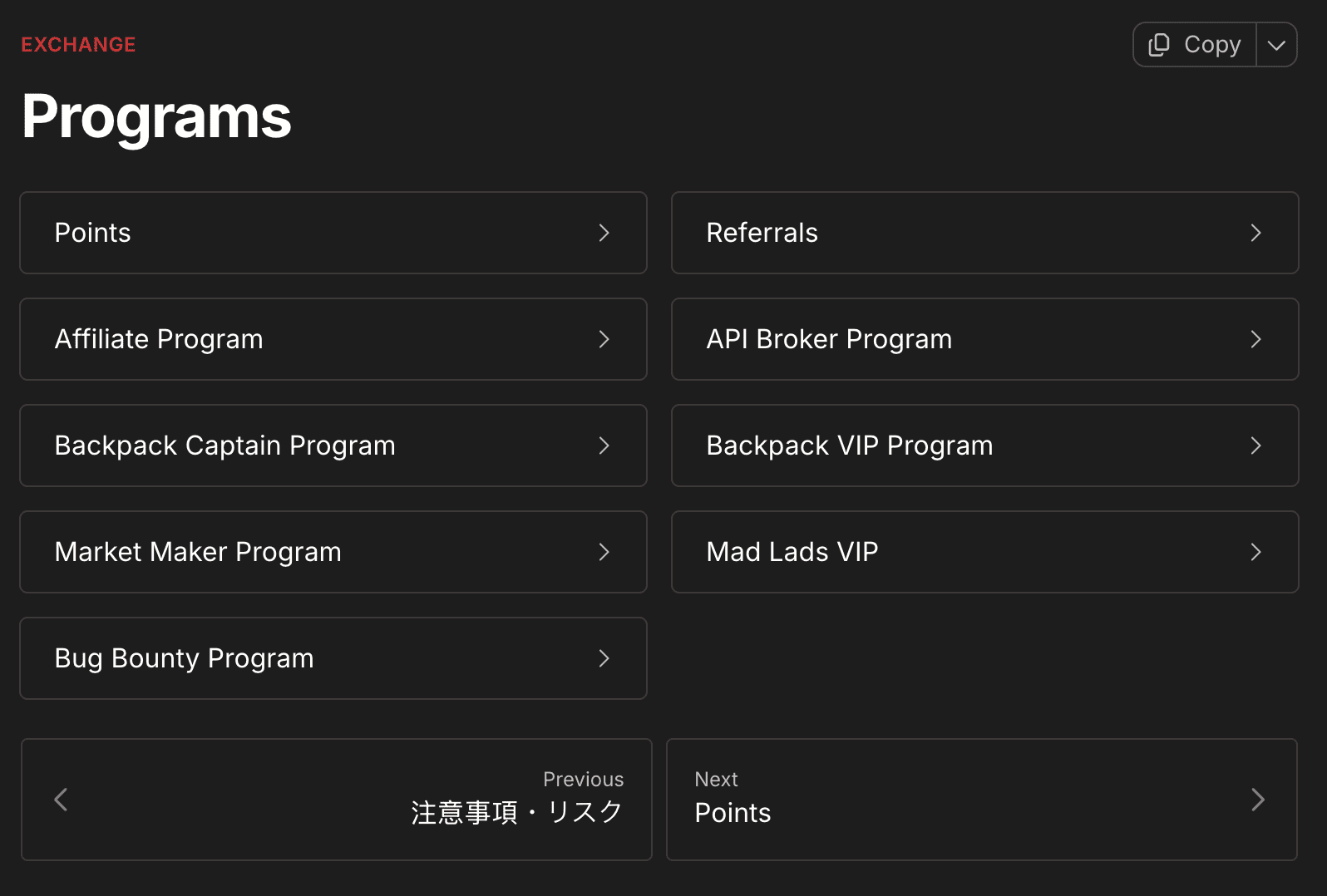
Accumulate points by:
- Completing tasks such as trading on Backpack Exchange.
- Inviting friends to participate (if referral programs are active).
- Engaging in community campaigns and ecosystem activities.
Step 3: Verify Your Bitget Wallet Account
To connect your wallet and claim tokens, simply use WalletConnect.
- Open the project’s airdrop or dApp page and select “Connect Wallet”.
- Choose “WalletConnect” from the list of options.
- In Bitget Wallet, tap WalletConnect / Scan and scan the QR code.
- Confirm the website URL → tap Connect.
- Sign or approve when prompted.
This ensures your wallet is securely linked to the platform and eligible to receive tokens. For the best compatibility and cross-chain experience, we recommend using Bitget Wallet, which supports thousands of tokens and trending projects like Backpack (BACKPACK).
Step 4: Claim Your $BACKPACK Tokens
Once the distribution period begins, return to the platform and follow the claim instructions to secure your tokens.
▶ Read more: Airdrop Claim Tutorial: How to Claim Airdrop to Your Wallet
Actionable Tips to Maximize Rewards:
- Complete all tasks: Ensure you earn the maximum points.
- Leverage referrals: Share your referral link widely.
- Engage in communities: Stay active in partner groups.
- Monitor updates: Follow official channels for bonus opportunities.
Backpack (BACKPACK) Price Prediction: Market Maker Impact
The listing of Backpack (BACKPACK) on exchanges is not just a retail trading event—it’s also a battleground for market makers. The market makers involved in the liquidity provision for $BACKPACK have historically exhibited active liquidity management strategies, making this an event to watch closely.
Key Market Maker Indicators
- Market Maker Roster & Strategy: Market makers in similar exchange-token listings are typically known for dynamic inventory balancing and short-term spread control, which could impact price swings post-listing.
- Liquidity Pool Size at Launch: A small initial liquidity pool suggests higher difficulty in absorbing large orders, affecting initial volatility.
- Market Maker Contract Expiry & Options Open Interest: Data from derivatives markets shows that market maker positioning cycles can align with volatility phases, often leading to short-term price fluctuations around key periods.
Price Projection Based on Market Maker Activity
| Time Frame | Predicted Price Range | Market Maker Influence |
| Short-term (1-3 months) | $NA - $NA | High volatility expected due to liquidity constraints |
| Medium-term (3-6 months) | $NA - $NA | Potential stabilization as market makers adjust positions |
| Long-term (1 year or more) | $NA - $NA | Macroeconomic trends & project fundamentals take over |
Fear & Greed Narrative:
🚨 "Market maker positioning around the listing phase of $BACKPACK may lead to rapid price fluctuations. Traders should be prepared for short-term volatility."
Note: The price prediction is sourced from third-party media at the time of writing and is for reference only. It does not represent the official stance of Backpack and Bitget Wallet. Please conduct your own research and refer to official market data before making any investment decisions.
What Is Backpack: $BACKPACK Token Explained
Backpack (BACKPACK) is the native token of the Backpack ecosystem, which combines a multi-chain self-custody wallet and a centralized exchange (Backpack Exchange). The project focuses on building a unified platform where users can securely store assets, trade, and interact with Web3 applications.
Unlike typical exchange tokens, Backpack introduces a hybrid model linking token value to company growth and future equity opportunities, aiming to align long-term incentives between users and the platform.
Key features
- Multi-chain wallet integration: Supports Solana, Ethereum, Arbitrum, Optimism, Polygon, and more.
- Exchange ecosystem utility: Designed to integrate with Backpack Exchange trading activity and user incentives.
- IPO-linked token model: Long-term stakers may gain priority access to Backpack equity if the company goes public.
2. Backpack (BACKPACK): The Rising Hybrid of CEX and Web3 Wallet
Backpack has quietly turned into one of the more intriguing names in crypto right now, especially after confirming its TGE in March 2026. The project rolled out 25% of its total supply at launch and used a points-based model to get early users genuinely involved—not just speculating, but actually using the product. That approach fueled organic growth across both its wallet and exchange.
What really sets Backpack apart is how it keeps the momentum going. Instead of relying on hype, it rewards actual usage, which creates a natural cycle: more people use the platform, demand for the token grows, and that brings even more users in. Heading into 2026, there’s chatter about a potential $1 billion valuation, which says a lot about where this team is aiming. They’re trying to build something that blends CEX infrastructure with the growth tactics of Web3—and it might just put them in the ring with the bigger players.
3. Why Backpack (BACKPACK) Stands Out?
Backpack stands out because it goes beyond the traditional exchange-token model:
- No typical insider token unlock pressure: Core contributors are tied to equity instead of large token allocations.
- Strong ecosystem synergy: Hybrid of CEX and Web3 Wallet creates a closed-loop user experience.
- Long-term narrative (IPO potential): Rare positioning that connects crypto tokens with traditional finance pathways.
This combination makes Backpack one of the more unique token designs in the current market.
The Backpack (BACKPACK) Ecosystem: How It Functions?
Backpack (BACKPACK) operates as a dual-layer ecosystem, combining infrastructure and trading services into one integrated platform.
How Backpack Works?
- Built across multi-chain infrastructure (Solana + EVM networks), enabling fast and flexible transactions.
- Uses standard blockchain consensus mechanisms depending on the underlying chain (e.g., Proof of Stake).
- Supports trading, asset storage, dApps interaction, and cross-chain activity within one ecosystem.
Key Benefits
- Unified Web3 experience: Wallet and exchange are tightly integrated for seamless usage.
- Enhanced user control: Self-custody wallet ensures users retain control over private keys.
- Future financial upside: Token design links potential rewards to long-term platform growth.
Meet the Team Behind Backpack (BACKPACK): Leadership and Strategy
Backpack (BACKPACK) is developed by a team with deep experience in crypto infrastructure, exchange operations, and product design.
Leadership
Backpack was founded by Armani Ferrante, a well-known builder in the Solana ecosystem. The broader team includes engineers and operators with experience from major crypto firms such as FTX and Alameda Research, bringing strong expertise in exchange infrastructure and liquidity systems.
Strategy
Backpack focuses on building an integrated ecosystem that combines Web3 wallet, a centralized exchange, and future onchain finance features into one platform.
- Full-stack approach: Develops both Backpack Wallet and Backpack Exchange to cover the entire user journey from storage to trading.
- User-aligned token model: No direct token allocation to insiders; value is tied to company growth and long-term outcomes instead of short-term unlocks.
- IPO-linked utility: Token holders may gain priority access to future IPO allocations, connecting token ownership with equity opportunities.
- Regulation-first expansion: Operates under frameworks like VARA to position as a compliant, global exchange.
Overall, Backpack aims to build a unified platform where trading, custody, and ownership converge.
Backpack (BACKPACK): Practical Applications & Use Cases
1. Why Utility Matters for Backpack (BACKPACK)
Utility determines whether a token has sustainable demand beyond speculation. For Backpack (BACKPACK), utility is designed to connect user activity, platform growth, and potential equity participation, rather than just serving as a trading incentive.
2. Key Use Cases of Backpack (BACKPACK) (H3)
Backpack (BACKPACK) serves a variety of purposes, including:
- Staking for IPO access priority Stake BACKPACK to gain preferential access to Backpack’s future IPO allocation.
- Ecosystem participation and rewards Active users (trading, wallet, Points) are integrated into token incentives.
- Alignment with platform growth BACKPACK value is tied to long-term ecosystem expansion, not short-term emissions.
- Community & NFT integration (Mad Lads) Early communities are included in distribution, strengthening user alignment.
These applications highlight the practical value of $BACKPACK in the crypto exchange and onchain finance ecosystem.
3. What’s Next for Backpack (BACKPACK)?
Looking ahead, Backpack’s roadmap is closely tied to expanding its ecosystem and executing its long-term vision:
- Scaling Backpack Exchange globally under regulatory frameworks
- Expanding multi-chain wallet capabilities and Web3 integrations
- Refining token utility, especially around staking and participation mechanisms
- Progressing toward a potential IPO, which is central to the token’s unique value proposition
If successfully executed, Backpack could pioneer a new model where crypto tokens act as a bridge between Web3 users and traditional equity markets.
Backpack (BACKPACK) Roadmap: What to Expect in 2026 and Beyond?
The roadmap for Backpack (BACKPACK) outlines a clear path for growth and innovation:
| Time | Roadmap |
| January 2026 | Launch of Grid Trading Bots on Backpack Exchange; Introduction of Unified Prediction Portfolio (Private Beta) |
| February 2026 | Reached $400B cumulative trading volume; Introduced tokenomics model aligned with IPO ambition |
| March 23, 2026 | Token Generation Event (TGE); Initial distribution of 25% total supply to users (Points program & Mad Lads holders) |
These applications highlight the practical value of $BACKPACK in the hybrid CEX-Web3 Wallet ecosystem.
How to Buy Backpack (BACKPACK) on Bitget Wallet?
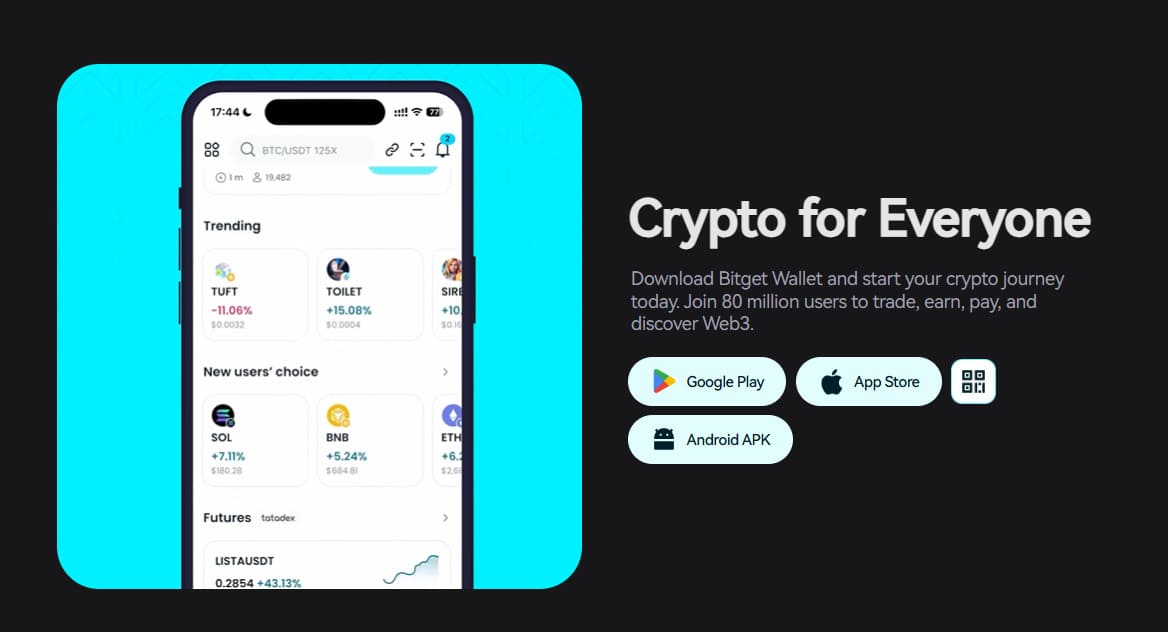
Buying Backpack (BACKPACK) on Bitget Wallet is easy! Just follow these simple steps:
Step 1: Create a wallet
- If you don't have a wallet, download Bitget Wallet app now.
- Register with your phone number or email, verify quickly and you can use it right away.
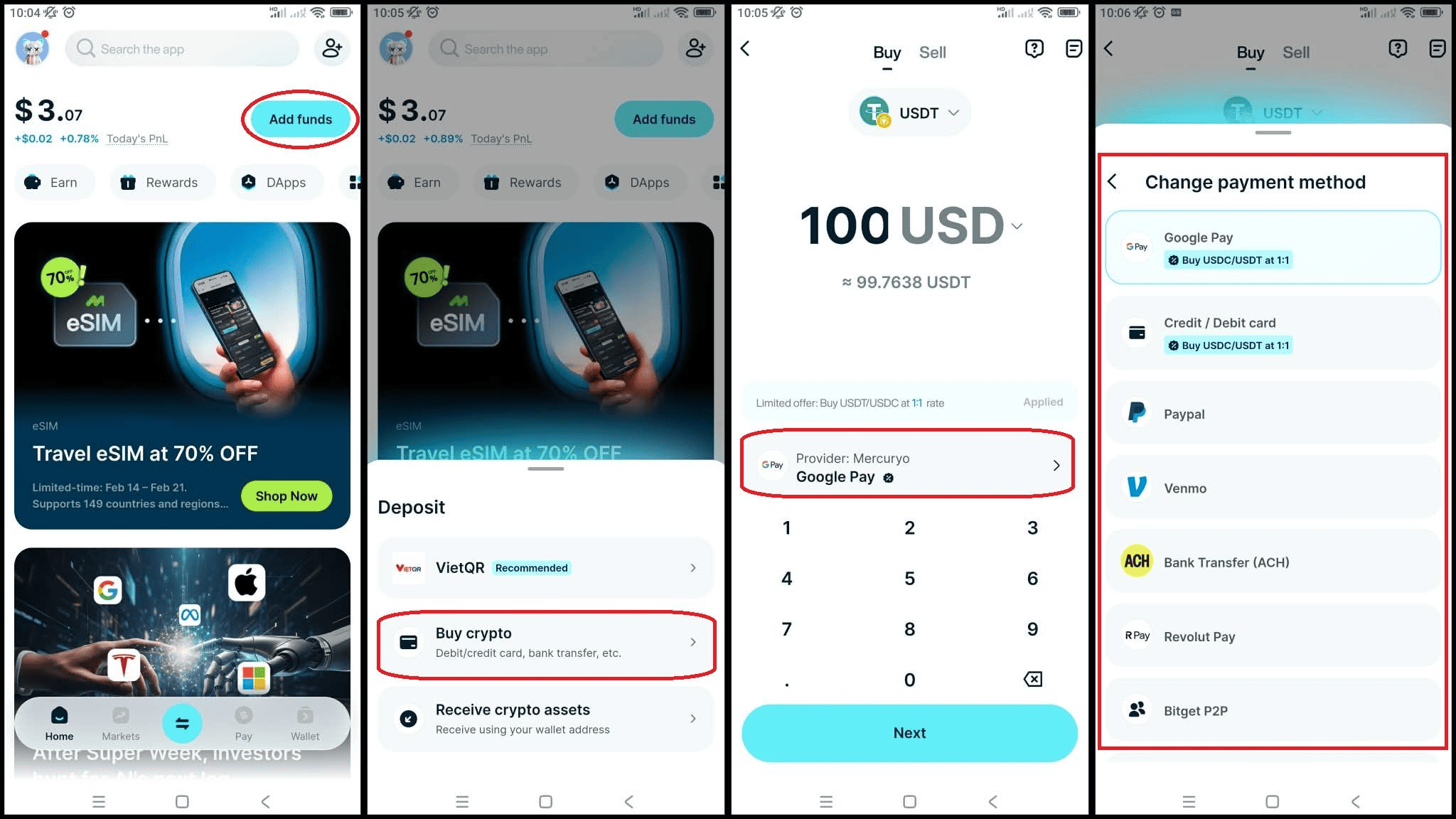
Step 2: Deposit money into your wallet
Once you have finished your wallet, you just need to deposit money into it. You can:
- Transfer coins from other wallets: Send BTC, ETH or any coin you have from an external wallet.
- Buy directly with a card: Use a bank card or credit card to buy USDT or ETH right in the app and then exchange it for USDC.
Step 3: Find Backpack (BACKPACK)
- In the main interface of the wallet, go to Market, type "BACKPACK" in the search bar.
- Select Backpack (BACKPACK) to see the trading page.
Since this token has not been listed yet, please refer to the final contract address provided by the project team after the token is officially listed.
Step 4: Select the trading pair
Select the pair you want to trade, for example BACKPACK/USDT. So you can use USDT to buy Backpack (BACKPACK), or vice versa.
Step 5: Place an order
Enter the amount of Backpack (BACKPACK) you want to buy, check carefully and confirm the order.
Step 6: Check the order
After buying, you can check your BACKPACK in the Wallet section.
Step 7: Withdraw (if needed)
Once you have Backpack (BACKPACK), if you want to withdraw to another wallet, go to Send, fill in the receiving wallet address, check the blockchain network and the amount carefully, then confirm.
▶Learn more about Backpack (BACKPACK):
- Backpack Airdrop Guide: How to Participate and Claim $BACKPACK Rewards
- Backpack Airdrop Guide: How to Participate and Claim $BACK Rewards?
Conclusion
Backpack (BACKPACK) listing on exchanges isn’t just about quick wins—it’s a solid step toward a more open, decentralized financial space. The project is all about making onchain finance feel seamless, secure, and actually rewarding for regular users. That kind of mission tends to grab attention, especially as momentum starts building.
If you want to get ahead in this space, jumping in early—whether that’s trading, staking, or just being part of the community—can make a real difference as things evolve.
And when it comes to managing your assets safely and easily, Bitget Wallet has you covered. It’s self-custody, supports multiple chains, and keeps things simple even if you’re just getting started. You stay in control, always.
👉 Ready to explore what’s next in finance? Download Bitget Wallet and jump into Web3 with confidence.
Sign up Bitget Wallet now - grab your $2 bonus!
FAQs
1. What is Backpack (BACKPACK)?
Backpack (BACKPACK) is the native token of the Backpack ecosystem, which combines a Web3 wallet and a centralized exchange (Backpack Exchange). It is designed to align user activity with platform growth, offering utility such as ecosystem participation, rewards, and potential priority access to future IPO allocations.
2. When will BACKPACK be listed?
Backpack (BACKPACK) is expected to start trading on March 23, 2026, with deposits opening the same day and withdrawals available from March 24, 2026.
3. Which is the best BACKPACK Wallet?
Bitget Wallet is a strong choice thanks to its self-custody security, multi-chain support, and seamless Web3 integration. It allows users to safely manage assets, connect to dApps, and trade BACKPACK efficiently in one place.
Risk Disclosure
Please be aware that cryptocurrency trading involves high market risk. Bitget Wallet is not responsible for any trading losses incurred. Always perform your own research and trade responsibly.
 eCashAirdrop Launch: How to Participate and Claim $XEC Rewards2026-04-28 | 5 mins
- Ink (INK) Airdrop Launch: How to Participate and Claim $INK Rewards2026-04-28 | 5 mins
 Genius Terminal Airdrop Launch: How to Participate and Claim $GENIUS Rewards2026-04-23 | 5 mins



